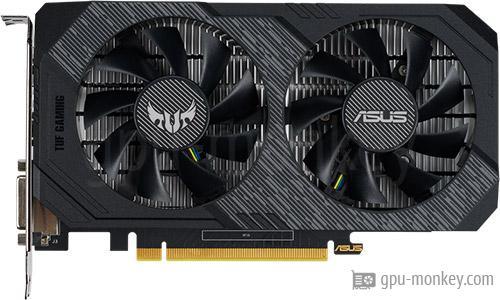
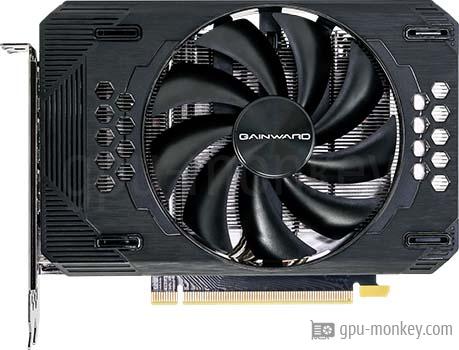
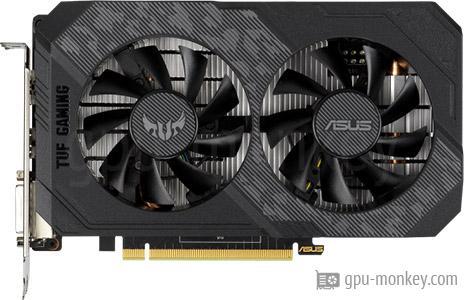
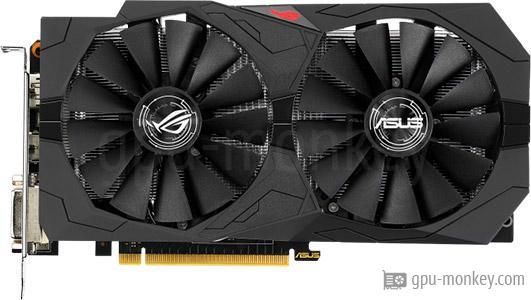
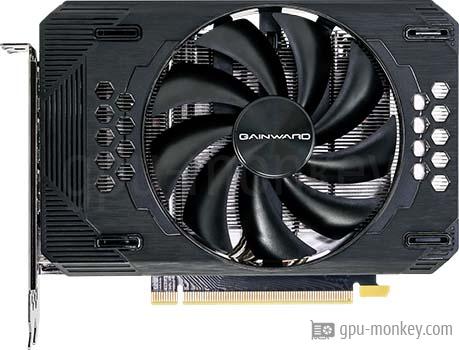
Nel confronto tra il ASUS TUF Gaming GeForce GTX 1650 e il Gainward GeForce RTX 3050 Pegasus, confrontiamo sia i dati tecnici che i risultati del benchmark delle due schede grafiche.
Confronto rapido
Nelle prestazioni FP32, la Gainward GeForce RTX 3050 Pegasus è più veloce del 200 % rispetto alla ASUS TUF Gaming GeForce GTX 1650.
ASUS TUF Gaming GeForce GTX 1650Gainward GeForce RTX 3050 Pegasus
ASUS TUF Gaming GeForce GTX 1650 è basato su NVIDIA GeForce GTX 1650 (GDDR5) e ha 896 texture shader e 14 unità di esecuzione.
Gainward GeForce RTX 3050 Pegasus si basa su NVIDIA GeForce RTX 3050, che ha 2560 shader e 20 unità di esecuzione.
Memoria
Memoria
ASUS TUF Gaming GeForce GTX 1650
Gainward GeForce RTX 3050 Pegasus
Dimensione della memoria
4 GB
8 GB
Tipo di memoria
GDDR5
GDDR6
Orologio di memoria
2,000 GHz
1,750 GHz
Velocità
8,0 Gbps
14,0 Gbps
Banda di memoria
128 GB/s
224 GB/s
Interfaccia di memoria
128 bit
128 bit
Maggiori informazioni
Il ASUS TUF Gaming GeForce GTX 1650 ha 4 GB di memoria grafica del tipo GDDR5 e raggiunge una banda di memoria di 128 GB/s.
Gainward GeForce RTX 3050 Pegasus può accedere a 8 GB GDDR6 di memoria grafica e quindi raggiunge una larghezza di banda della memoria di 224 GB/s .
Velocità di clock
Velocità di clock
ASUS TUF Gaming GeForce GTX 1650
Gainward GeForce RTX 3050 Pegasus
Frequenza di base
1,485 GHz
1,552 GHz
Frequenza turbo
1,695 GHz
1,777 GHz
Frequenza media
1,67 GHz
--
Overclocking
Si
Si
Maggiori informazioni
ASUS TUF Gaming GeForce GTX 1650 orologi nella base fino a 1,485 GHz. La frequenza base di Gainward GeForce RTX 3050 Pegasus è 1,552 GHz.
Design termico
Design termico
ASUS TUF Gaming GeForce GTX 1650
Gainward GeForce RTX 3050 Pegasus
TDP
75 W
130 W
Tjunction max
92 °C
93 °C
PCIe-Power
1 x 6-Pin
1 x 8-Pin
Maggiori informazioni
Il TDP (Thermal Design Power) del ASUS TUF Gaming GeForce GTX 1650 è 75 W. La scheda grafica riceve energia tramite il connettore 1 x 6-Pin.
Il Gainward GeForce RTX 3050 Pegasus ha un TDP di 130 W e viene alimentato con l'energia necessaria tramite 1 x 8-Pin connettori di alimentazione PCIe.
Dispositivo di raffreddamento e ventole
Dispositivo di raffreddamento e ventole
ASUS TUF Gaming GeForce GTX 1650
Gainward GeForce RTX 3050 Pegasus
Tipo a ventaglio
Axial
Axial
Fan 1
2 x 80 mm
1 x 100 mm
Tipo di raffreddamento
Aria condizionata
Aria condizionata
Volume (inattivo)
--
0 dB
Maggiori informazioni
Il ASUS TUF Gaming GeForce GTX 1650 ha un totale di 2 Axial fan.
Il Gainward GeForce RTX 3050 Pegasus ha 1 Axial ventole per raffreddare la GPU e la memoria.
Connettività
Connettività
ASUS TUF Gaming GeForce GTX 1650
Gainward GeForce RTX 3050 Pegasus
Max. Schermi
3
4
HDCP
2.2
2.3
HDMI
1x HDMI 2.0b
1x HDMI 2.1
DisplayPort
1x DP 1.4
3x DP 1.4a
DVI
1
--
Maggiori informazioni
Nella categoria connettività, abbiamo registrato il numero di porte su una scheda grafica. È possibile collegare un totale di 3 schermi a ASUS TUF Gaming GeForce GTX 1650. Gainward GeForce RTX 3050 Pegasus supporta un massimo di 4 schermate.
Featureset
Featureset
ASUS TUF Gaming GeForce GTX 1650
Gainward GeForce RTX 3050 Pegasus
Max. risoluzione
7680x4320
7680x4320
DirectX
12_1
12_2 (Ultimate)
Raytracing
No
Si
DLSS / FSR
Si
Si
LED
Nessuna illuminazione a LED
Nessuna illuminazione a LED
Maggiori informazioni
ASUS TUF Gaming GeForce GTX 1650 supporta una risoluzione massima di 7680x4320 pixel.
La risoluzione massima di Gainward GeForce RTX 3050 Pegasus è 7680x4320 pixel.
Codec video supportati
Codec video supportati
ASUS TUF Gaming GeForce GTX 1650
Gainward GeForce RTX 3050 Pegasus
h264
Decodificare / Codificare
Decodificare / Codificare
h265 / HEVC
Decodificare / Codificare
Decodificare / Codificare
VP8
Decodificare
Decodificare
VP9
Decodificare
Decodificare
AV1
No
Decodificare
Maggiori informazioni
Il supporto e l'accelerazione di determinati codec video direttamente nella scheda grafica riducono il carico durante la riproduzione o la creazione di video.
Dimensioni
Dimensioni
ASUS TUF Gaming GeForce GTX 1650
Gainward GeForce RTX 3050 Pegasus
lunghezza
200 mm
170 mm
Altezza
112 mm
125 mm
Larghezza
47 mm
--
Larghezza (slot)
3 Slots
2 Slots
SFF-Ready
No
No
Maggiori informazioni
Il ASUS TUF Gaming GeForce GTX 1650 è 200 mm lungo, 112 mm alto e 47 mm largo.
Il Gainward GeForce RTX 3050 Pegasus è 170 mm lungo, 125 mm alto e -- largo.
3DMark è un programma di benchmark che determina le prestazioni di alcuni componenti di un computer e quindi riporta le prestazioni come valore numerico.
Cyberpunk 2077 è stato sviluppato da CD Projekt Red ed è basato sul REDengine 4 dello studio di sviluppo. Il ray tracing è disattivato nei nostri benchmark.
The Last of Us Part One è un gioco pubblicato da Sony nel giugno 2013 esclusivamente per Playstation e rilasciato per PC all'inizio del 2023. I valori di riferimento qui sono stati determinati con dettagli elevati.
Battlefield 5 è un gioco visivamente sbalorditivo, ideale come benchmark per le schede grafiche. Testiamo il gioco con i massimi dettagli su Windows 10.
Geekbench 6 è un benchmark multipiattaforma per i processori principali, che esegue anche 3 diversi benchmark grafici e li emette sotto forma di un valore numerico.
La potenza di calcolo teorica della scheda grafica con precisione singola (32 bit) in TFLOPS indica quanti trilioni di operazioni in virgola mobile FP32 la scheda grafica (GPU) può eseguire al secondo.
Qui puoi valutare il ASUS TUF Gaming GeForce GTX 1650 per aiutare gli altri visitatori a prendere le loro decisioni di acquisto. La valutazione media è di 0 stelle (0 valutazioni). Vota adesso:
Qui puoi valutare il Gainward GeForce RTX 3050 Pegasus per aiutare gli altri visitatori a prendere le loro decisioni di acquisto. La valutazione media è di 4,0 stelle (1 valutazioni). Vota adesso: