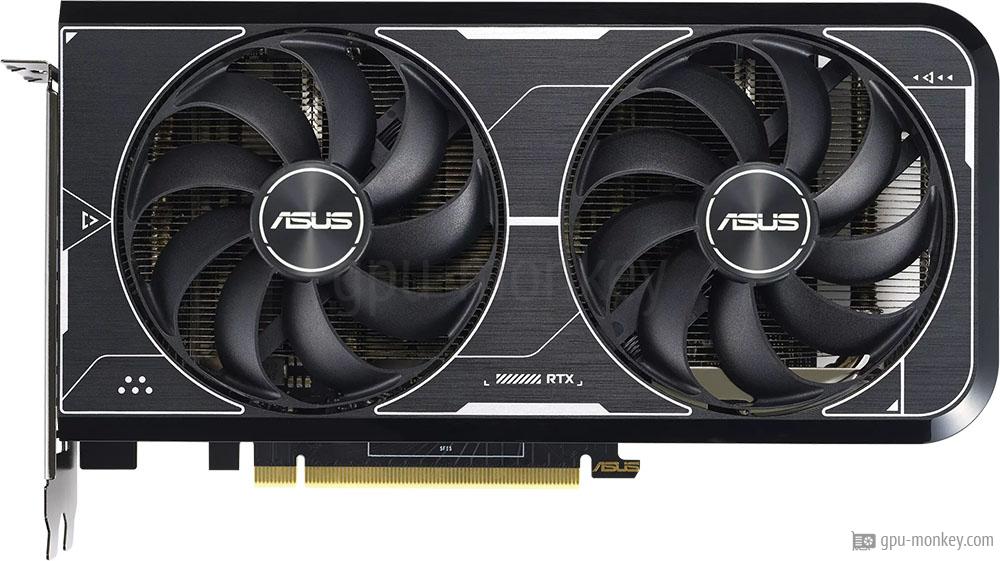
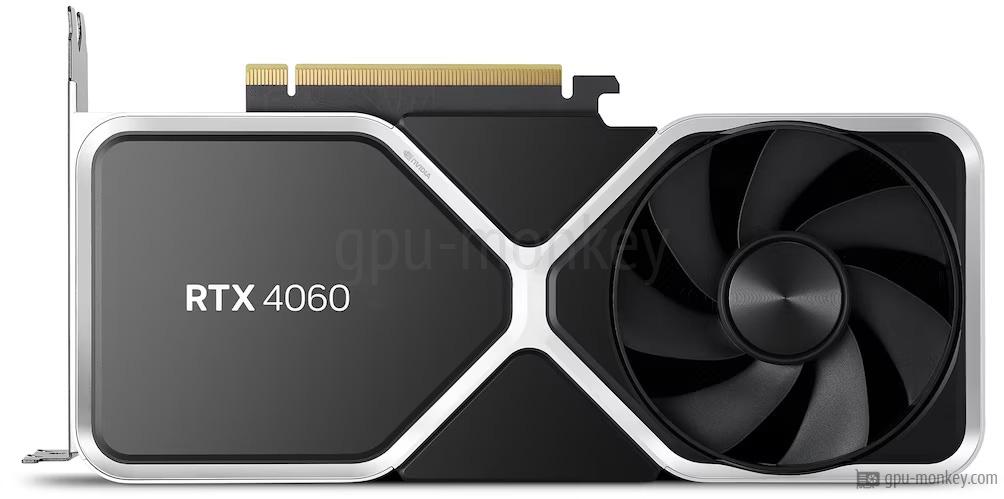
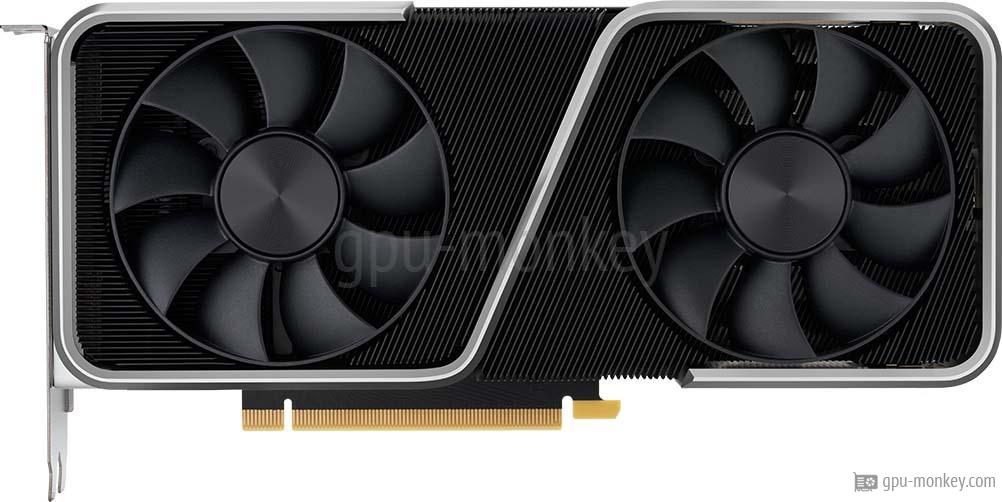
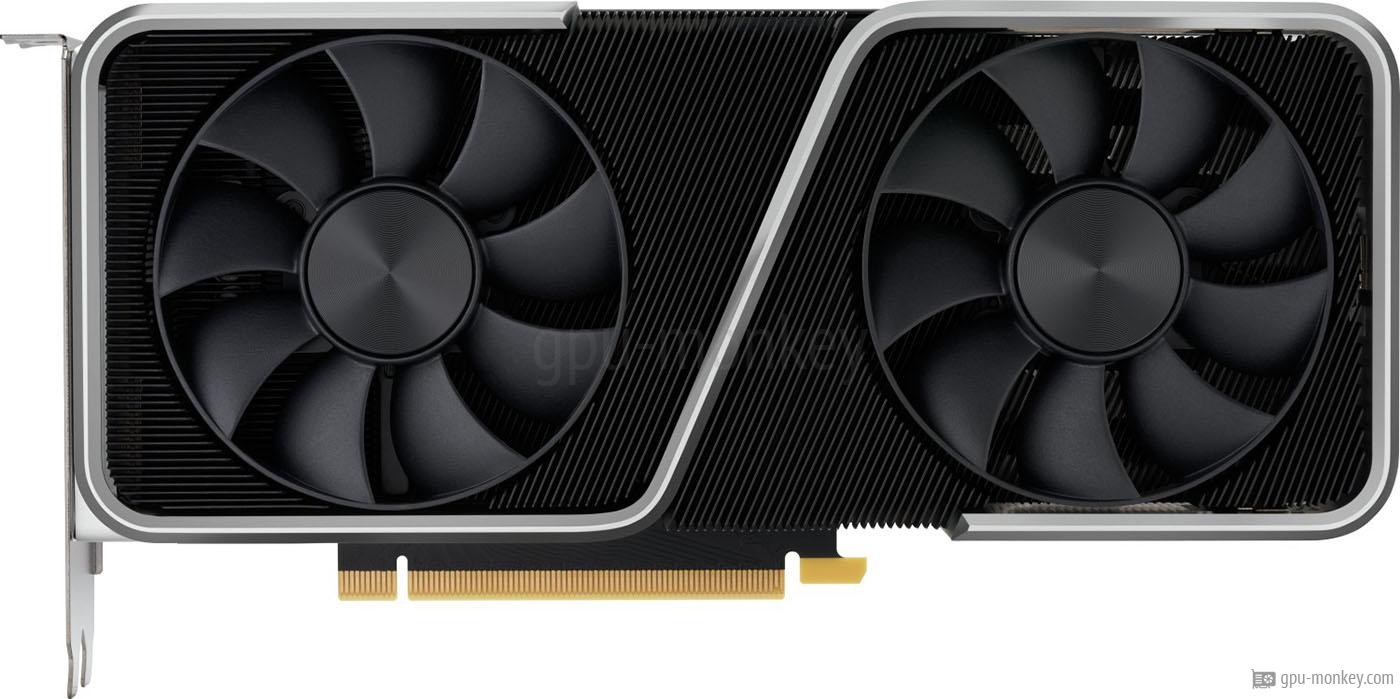
The ASUS Dual GeForce RTX 3060 Ti (GDDR6X) is based on the NVIDIA GeForce RTX 3060 Ti GDDR6X (Ampere) and has 8 GB GDDR6X graphics memory with a bandwidth of 608 GB/s.
The ASUS Dual GeForce RTX 3060 Ti (GDDR6X) has the GA104-202-A1 graphics chip installed, which is based on the Ampere architecture.
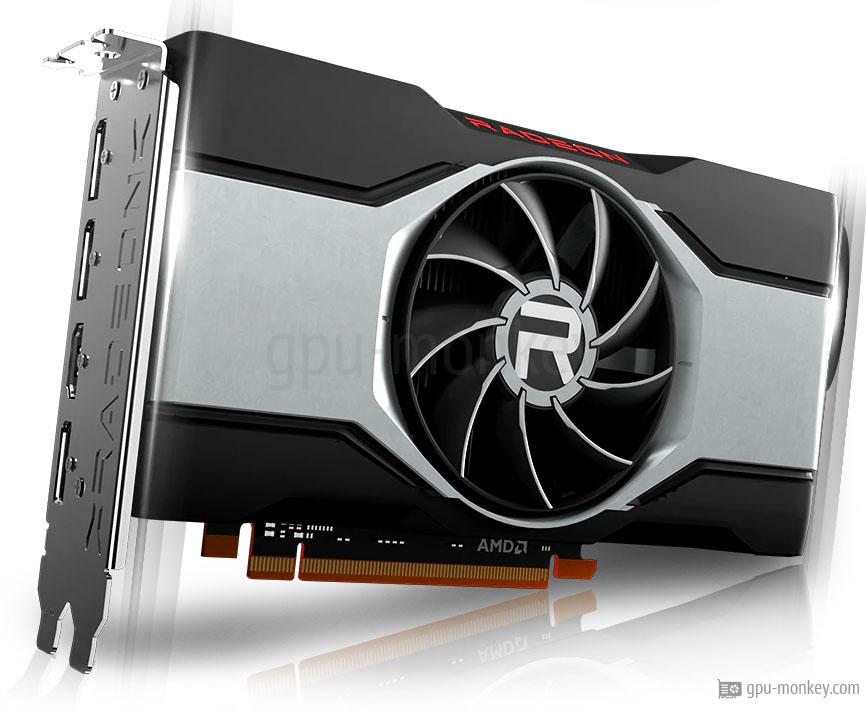
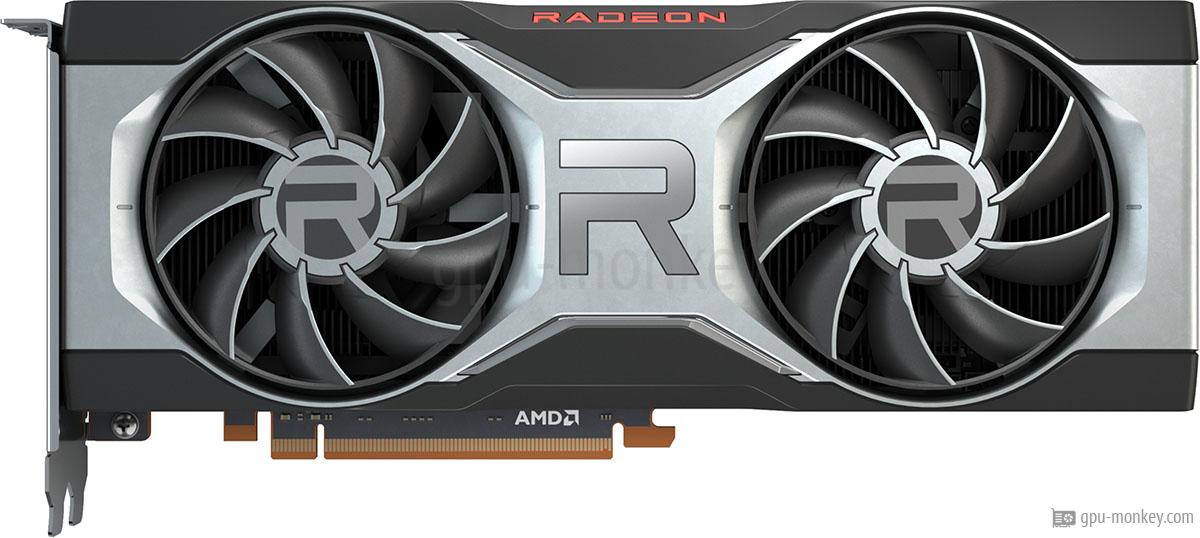
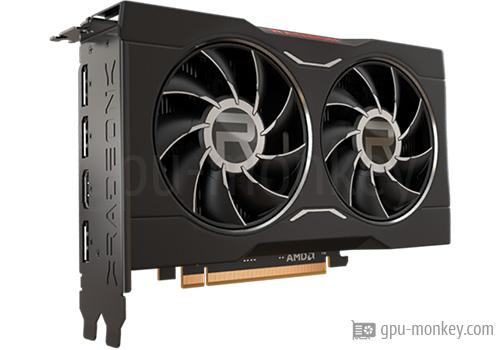
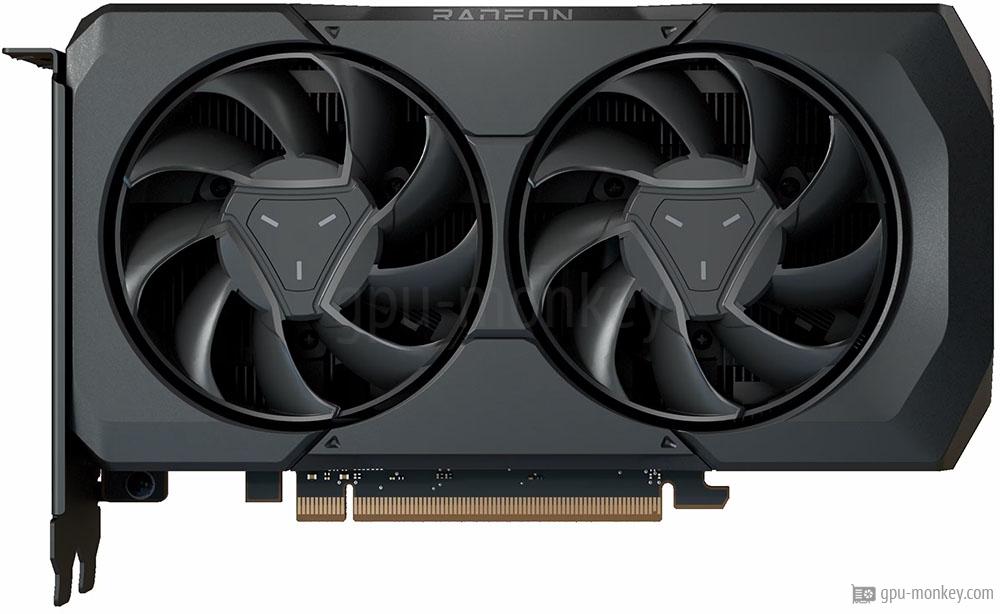
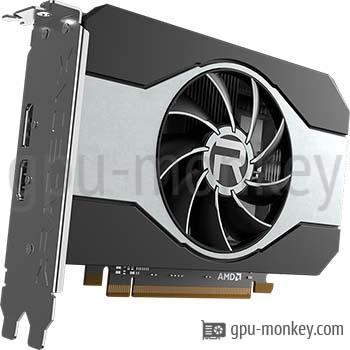
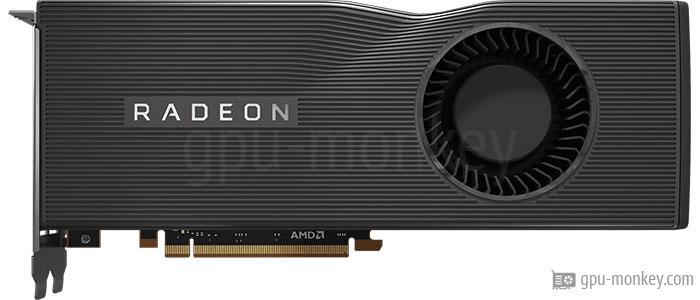
The AMD Radeon RX 6600 XT is based on the graphics chip Navi 23 XT, which comes from the RDNA 2 architecture.
Memory
Memory
ASUS Dual GeForce RTX 3060 Ti (GDDR6X)
AMD Radeon RX 6600 XT
Memory Size
8 GB
8 GB
Memory Type
GDDR6X
GDDR6
Memory Clock
1.188 GHz
2.000 GHz
Memory Speed
19.0 Gbps
16.0 Gbps
Memory bandwidth
608 GB/s
256 GB/s
Memory Interface
256 bit
128 bit
More information
The graphics memory of the ASUS Dual GeForce RTX 3060 Ti (GDDR6X) clocks at 1.188 GHz, which corresponds to a speed of 19.0 Gbps.
The graphics memory speed of the AMD Radeon RX 6600 XT is 16.0 Gbps and the clock speed is 2.000 GHz.
Clock Speeds
Clock Speeds
ASUS Dual GeForce RTX 3060 Ti (GDDR6X)
AMD Radeon RX 6600 XT
Base Clock
1.410 GHz
1.968 GHz
Boost Clock
1.695 GHz
2.589 GHz
Avg (Game) Clock
--
2.36 GHz
Overclocking
Yes
Yes
More information
The clock frequency of a graphics card determines the speed in connection with the graphics architecture.
Thermal Design
Thermal Design
ASUS Dual GeForce RTX 3060 Ti (GDDR6X)
AMD Radeon RX 6600 XT
TDP
225 W
160 W
Tjunction max
93 °C
100 °C
PCIe-Power
2 x 8-Pin
1 x 8-Pin
More information
The ASUS Dual GeForce RTX 3060 Ti (GDDR6X) is powered by 2 x 8-Pin connectors. The TDP (Thermal Design Power) of the graphics card is 225 W.
The AMD Radeon RX 6600 XT has 1 x 8-Pin PCIe power connectors that supply it with energy. The manufacturer specifies the TDP of the card as 160 W.
Cooler & Fans
Cooler & Fans
ASUS Dual GeForce RTX 3060 Ti (GDDR6X)
AMD Radeon RX 6600 XT
Fan-Type
Axial
Axial
Fan 1
2 x 90 mm
1
Cooler-Type
Air cooling
Air cooling
Noise (Idle)
0 dB
0 dB
More information
The ASUS Dual GeForce RTX 3060 Ti (GDDR6X) is equipped with a total of 2 Axial main fans.
The AMD Radeon RX 6600 XT has 1 Axial main fans that cool the GPU and memory.
Connectivity
Connectivity
ASUS Dual GeForce RTX 3060 Ti (GDDR6X)
AMD Radeon RX 6600 XT
Max. Displays
4
4
HDCP
2.3
2.3
HDMI
1x HDMI 2.1
1x HDMI 2.1
DisplayPort
3x DP 1.4a
3x DP 1.4a
More information
Up to 4 screens can be operated with the ASUS Dual GeForce RTX 3060 Ti (GDDR6X).
The AMD Radeon RX 6600 XT supports the operation of a maximum of 4 monitors.
Featureset
Featureset
ASUS Dual GeForce RTX 3060 Ti (GDDR6X)
AMD Radeon RX 6600 XT
Max. resolution
7680x4320
7680x4320
DirectX
12_2 (Ultimate)
12_2 (Ultimate)
Raytracing
Yes
Yes
DLSS / FSR
Yes
Yes
LED
No LED lighting
No LED lighting
More information
With the ASUS Dual GeForce RTX 3060 Ti (GDDR6X) it is possible to operate a screen with a maximum resolution of up to 7680x4320 pixels.
The maximum supported resolution of the AMD Radeon RX 6600 XT is 7680x4320 pixels.
Supported Video Codecs
Supported Video Codecs
ASUS Dual GeForce RTX 3060 Ti (GDDR6X)
AMD Radeon RX 6600 XT
h264
Decode / Encode
Decode / Encode
h265 / HEVC
Decode / Encode
Decode / Encode
VP8
Decode
Decode / Encode
VP9
Decode
Decode / Encode
AV1
Decode
Decode
More information
The support and acceleration of certain video codecs can have a positive impact on the lower energy consumption and less waste heat from the graphics card.
Dimensions
Dimensions
ASUS Dual GeForce RTX 3060 Ti (GDDR6X)
AMD Radeon RX 6600 XT
Length
230 mm
--
Height
120 mm
--
Width
42 mm
--
Width (Slots)
2 Slots
2 Slots
SFF-Ready
No
No
More information
The ASUS Dual GeForce RTX 3060 Ti (GDDR6X) is connected to the system via PCIe 4.0 x 16 lanes and requires 2 PCIe-Slots space in the housing.
The AMD Radeon RX 6600 XT needs the space of 2 PCIe-Slots in the case and has a PCIe 4.0 x 8 Lanes interface.
3DMark is a benchmark program that determines the performance of certain components of a computer and then reports the performance as a numerical value.
Time Spy Extreme Graphics score ASUS Dual GeForce RTX 3060 Ti (GDDR6X) +36.9 %
Cyberpunk 2077 was developed by CD Projekt Red and is based on the development studio's own REDengine 4. Ray tracing is switched off in our benchmarks.
3840x2160 (2160p) ASUS Dual GeForce RTX 3060 Ti (GDDR6X) +41.4 %
The Last of Us Part One is a game released by Sony in June 2013 exclusively for the Playstation and released for the PC in early 2023. The benchmark values here were determined at high details.
Geekbench 6 is a cross-platform benchmark for main processors, which also carries out 3 different graphics benchmarks and outputs them in the form of a numerical value.
Geekbench 6 - OpenCL ASUS Dual GeForce RTX 3060 Ti (GDDR6X) +41.6 %
The theoretical computing power of the graphics card with single precision (32 bit) in TFLOPS indicates how many trillion FP32 floating point operations the graphics card (GPU) can perform per second.
FP32 (TFLOPS) ASUS Dual GeForce RTX 3060 Ti (GDDR6X) +55.4 %
Here you can rate the ASUS Dual GeForce RTX 3060 Ti (GDDR6X) to help other visitors make their purchasing decisions. The average rating is 5.0 stars (1 ratings). Rate now:
Here you can rate the AMD Radeon RX 6600 XT to help other visitors make their purchasing decisions. The average rating is 4.2 stars (11 ratings). Rate now: